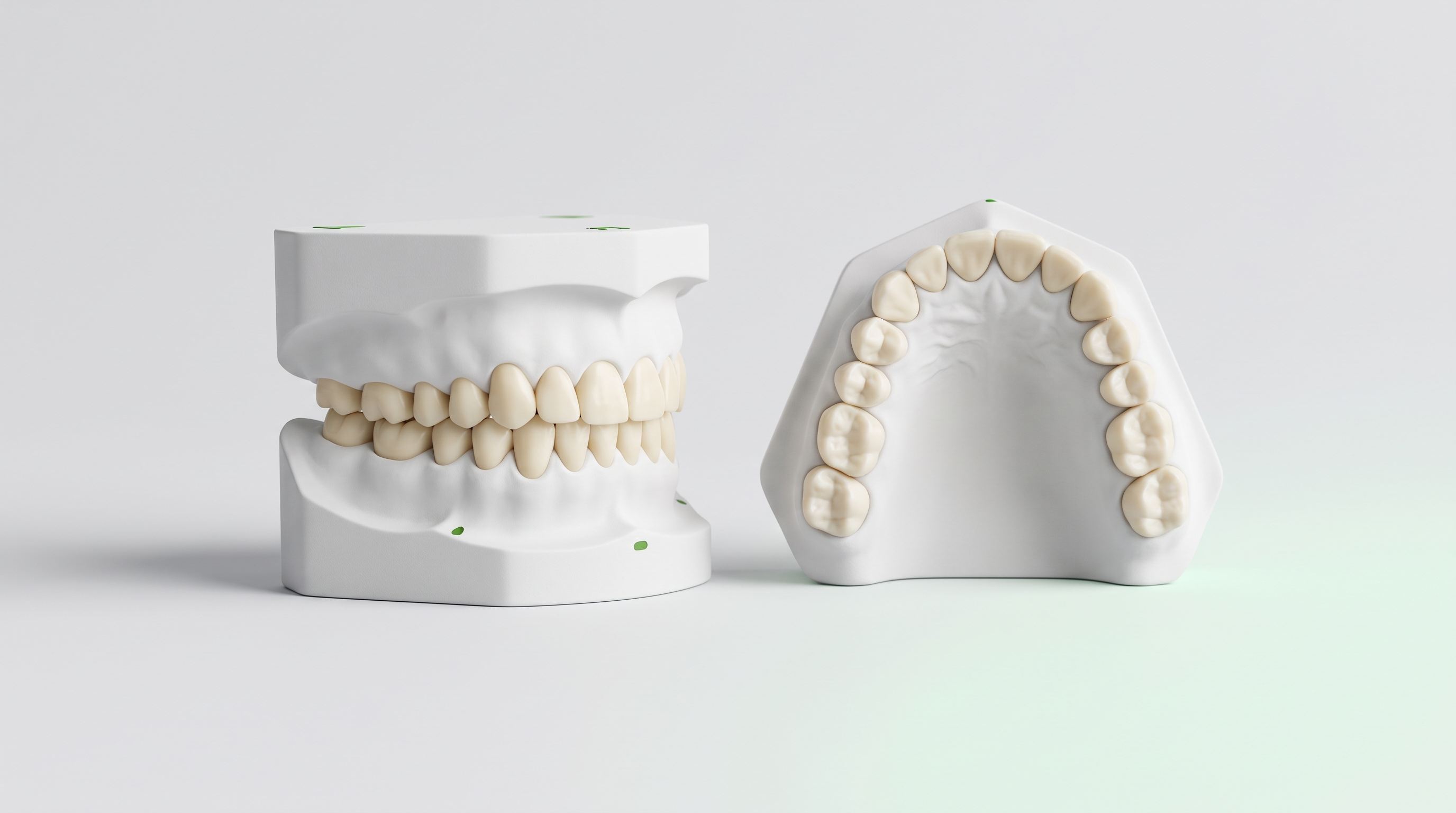
What is orthodontics?
Orthodontics is the area of dentistry that diagnoses and treats irregularities in the position of the teeth and jaws. During treatment, light and controlled forces are applied to the teeth over a long period. These forces cause the bone around the teeth to remodel, so that the teeth move slowly towards their planned positions.
The aim of orthodontic treatment is not only straighter-looking teeth. A correct bite can make chewing easier, reduce areas that are hard to clean and help prevent excessive wear on some teeth.
When is orthodontic treatment needed?
- Crowded (overlapping) teeth
- Gaps between the teeth
- Upper front teeth overlapping the lower teeth too much (deep bite)
- Front teeth not meeting when biting (open bite)
- Lower front teeth closing in front of the upper teeth
- Crossbite and a shift in the midline of the jaws
- Teeth that are impacted or coming through in the wrong direction
Some of these are mainly a cosmetic concern, while others can affect chewing, speech or the jaw joint. Even when the teeth look straight from the front, there can be a problem with the bite, so the assessment is not based on appearance alone. Whether treatment is needed, and when, is assessed at the examination.
When should a child have an orthodontic check?
A first orthodontic assessment for children is usually recommended around the age of 7. At this age baby teeth and permanent teeth are in the mouth together, and the dentist can get an idea of how the jaws are developing. For most children this examination does not mean starting treatment straight away; growth is monitored and the right time is awaited.
In some cases early treatment may be considered. Examples include bite problems that affect jaw development, habits such as thumb-sucking, and space problems after baby teeth are lost early. Signs parents can watch for include mouth breathing, difficulty chewing, baby teeth falling out very early or very late, and marked crowding. Our page on children’s dentistry covers check-ups for children more generally.
Can adults have orthodontic treatment?
Yes. As long as the gums and jawbone are healthy, there is no upper age limit for orthodontic treatment. Because the jaws have finished growing in adults, correcting some irregularities can take longer, and gum health needs to be assessed separately before treatment. Our guide on orthodontics for adults explains more.
In adults, orthodontics is sometimes planned as preparation for other treatment. For example, adjusting the position of the teeth before an implant or crowns can help the later treatment be done with less loss of tooth tissue.
What are the orthodontic treatment options?
| Option | How does it work? | Things to consider |
|---|---|---|
| Braces (fixed brackets) | Brackets bonded to the teeth and wires move the teeth | Fixed; cleaning around the brackets is important |
| Clear aligners | Custom-made clear aligners are changed in sequence | Removable; must be worn for most of the day |
Other methods used in orthodontics include tooth-coloured aesthetic brackets, lingual brackets bonded to the inside of the teeth and, especially in children, appliances that guide jaw development. Which option suits you or your child, and which options can be planned at the clinic, is decided at the examination.
How long does orthodontic treatment take?
The length depends on the type of problem, the patient’s age, the method chosen and how well the patient follows the advice. Comprehensive treatment takes around one to two years in most patients; more limited corrections may take less. Check-up appointments take place at intervals throughout treatment.
When active treatment ends, the teeth can tend to move back to where they were until they get used to their new positions. That is why retention is an essential part of treatment. Retainers, such as a thin wire bonded to the back of the teeth or a clear retainer worn at night, are used for as long as the dentist recommends.
Is orthodontic treatment possible if you live abroad?
Orthodontic treatment is not a treatment you can complete in a single trip. It lasts many months, often one to two years, and the teeth need to be checked regularly while they move: wires are adjusted, aligners are changed and progress is reviewed. A broken bracket or a lost aligner also needs attention without long delays.
Orthodontic treatment at our clinic therefore suits people who live in or near Sakarya, or who can come to the clinic regularly for check-ups. Whether this is possible for you is discussed and planned at the examination, before treatment starts; clear aligner treatment is not offered to patients travelling from abroad. If you live abroad and cannot attend regularly, an orthodontist near your home is the safer choice. Our page on planning your visit shows which treatments can be completed in one or two trips.
What should you look out for during orthodontic treatment?
- Clean your teeth and appliances carefully every day, using interdental brushes and floss.
- Limit hard and sticky foods, which can make brackets come off.
- If you have clear aligners, wear them for the recommended hours.
- Do not miss check-up appointments; let the clinic know about a broken bracket or a lost aligner.
- If you play contact sports, talk to your dentist about wearing a mouthguard.
Whether treatment goes as planned depends on following these recommendations as much as on the dentist’s check-ups.
How does orthodontic treatment work at Rönesans?
Orthodontics is one of the treatment areas at Rönesans Diş Hekimliği in Serdivan, Sakarya, and clear aligner treatment is also provided for patients who can attend regular check-ups. The process starts with an examination of the teeth, jaws and bite. The impressions needed for planning can be taken with an intraoral scanner, without impression paste; this can be more comfortable for children and adults who gag during conventional impressions. The right treatment option is decided after the examination and records have been assessed, and the plan, with its estimated length, is shared with you or, for children, with the family. The clinic is open 10:00–22:00 on weekdays and 10:00–19:00 on Saturdays, so check-ups can be planned around school and working hours. You can communicate with us in English or German. The cost is confirmed after the examination, according to the treatment plan.