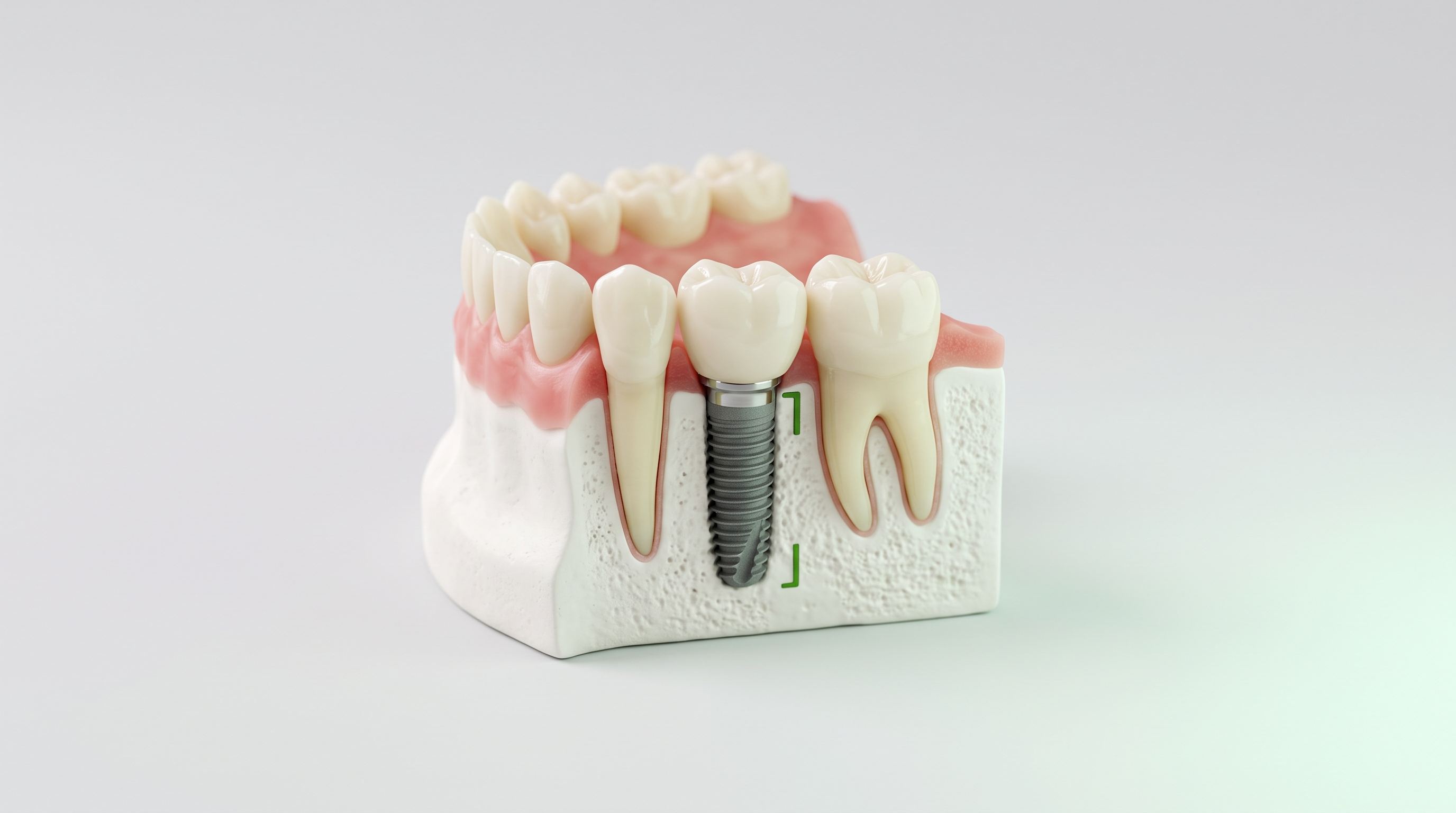
What is a dental implant?
A dental implant is a small, screw-shaped post, usually made of titanium, that is placed in the jawbone where a tooth root used to be. Over the following months the bone bonds to the implant surface, a process called osseointegration. Once this has happened, a crown, bridge or denture is attached on top. A single implant can replace one tooth without preparing the neighbouring teeth, and several implants can support a bridge or a full set of teeth.
Who are dental implants suitable for?
Adults who have lost one or more teeth and have enough healthy bone in the jaw can usually be considered for implants. Before you plan a trip, it helps to know which factors can change the plan:
- Uncontrolled diabetes or other general health conditions
- Certain medicines that affect bone, such as some osteoporosis treatments
- Heavy smoking, which can slow healing
- Active gum disease, which usually needs treating first
- Bone loss after a tooth has been missing for a long time
None of these automatically rules you out, but each is assessed at the examination. Sometimes gum treatment or extra bone support is needed before, or at the same time as, the implant. We carry out bone grafting, sinus lifts and other oral surgery at our clinic, and treatment can also be done under general anaesthesia when needed. Please share your medical history and a list of your medicines when you first get in touch.
Why do implants usually need two trips to Türkiye?
The main reason is healing time. After the implant is placed, the bone needs time to grow around it before it can safely carry a permanent tooth. This healing period usually lasts a few months – commonly around three to six – and can be longer if bone grafting is needed. It varies from person to person.
For this reason, implant treatment for international patients is usually split into two trips:
- First trip: examination, CBCT scan, implant placement and an early check of the surgical area.
- Second trip: a few months later, digital scans of the healed implants, fitting of the final crowns or bridge, and adjustments to your bite.
Depending on your case, a temporary tooth can be fitted during the healing months, so you are not left with a visible gap. Whether this is possible for you depends on your bone and the position of the implant, and is discussed at the examination.
How long should I stay in Türkiye for each trip?
As a general guide only, many implant plans need around five to seven days for the first trip and a similar period for the second, when the final teeth are made, tried in and fitted. More complex plans – several implants, both jaws, or bone grafting – may need longer. Your own treatment decides how long you stay, and we plan the appointments around your travel dates.
Leave a spare day before your flight home in case a final adjustment is needed. The clinic is closed on Sundays, so plan your appointment days around that. Your exact dates are set once your treatment plan is confirmed after the examination.
What happens at each stage of implant treatment?
- Preliminary review of the photos and X-rays you send on WhatsApp
- In-person examination and a cone-beam CT (CBCT) scan, a 3D image of the jaw
- Discussion of the final treatment plan, the options and the cost
- Implant placement under local anaesthetic
- Healing period at home, with remote follow-up
- Digital scan of the implants and preparation of the final teeth
- Fitting of the crown, bridge or denture and bite adjustments
- Regular check-ups, at home or at the clinic
What should I know about aftercare and flying home?
For the first few days after surgery, eat soft, lukewarm food, avoid smoking and alcohol, and follow the cleaning and medicine instructions you are given. Swelling and tenderness usually settle within a few days. Strenuous exercise, swimming, saunas and strong sun should be avoided until your dentist says otherwise.
Many patients with a routine implant placement can fly home within a few days, but if bone grafting or a procedure near the sinus was performed, your dentist may advise waiting longer. Ask before you book your return flight. Once home, you can send photos and questions on WhatsApp, and a local dentist can carry out routine check-ups. Our page on aftercare and follow-up explains what to do if a problem occurs.
What are the alternatives to implants?
| Option | Effect on neighbouring teeth | Type |
|---|---|---|
| Implant crown | Neighbouring teeth are not prepared | Fixed |
| Bridge | Neighbouring teeth are prepared for crowns | Fixed |
| Removable denture | May clip onto neighbouring teeth | Removable |
A bridge or a denture can often be completed in a single trip, which some patients prefer. Which option suits you depends on your examination.
How does treatment work at Rönesans?
Rönesans Diş Hekimliği is a single-branch dental polyclinic in Serdivan, Sakarya, in the Marmara region of northwest Türkiye, east of Istanbul. The make and model of your implant are written in your treatment plan, and the batch number on the implant card you receive after treatment. Implant planning uses cone-beam CT (CBCT), which shows the jawbone in three dimensions so that the implant position can be planned against your actual bone. For the final teeth, impressions can be taken digitally with an intraoral scanner, without impression paste, and crowns and prostheses are made with CAD/CAM at the dental laboratory we work with.
Before treatment starts, you receive a written treatment and cost plan with unit and total costs, and afterwards an implant card on which the details of your implant are recorded. You can pay in cash or by credit card, in Turkish lira or in other currencies such as euros, pounds or dollars. We communicate in English and German, and before you travel you can send photos and X-rays on WhatsApp at +90 532 363 49 54.